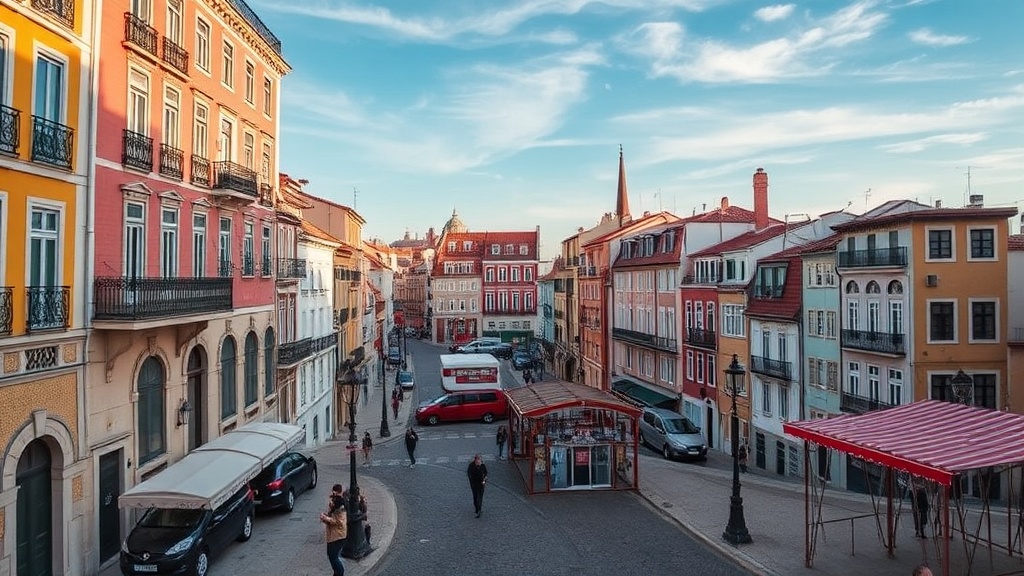
10 Hidden Gems in Lisbon Every City Breaker Should Discover

LX Factory: Lisbon's Creative Warehouse District
Miradouro da Senhora do Monte: The Best Secret Viewpoint
Pensão Amor: A Bohemian Bar in a Former Brothel
Casa do Alentejo: Hidden Moorish Palace Courtyard
Time Out Market vs Mercado de Campo de Ourique: Local's Choice
Lisbon overflows with postcard views and tourist hotspots. The real magic? It's tucked away in quiet courtyards, vintage shops, and neighborhood tascas where locals actually hang out. This guide maps ten under-the-radar spots that deliver authentic Portuguese character — no queues, no gimmicks, just the Lisbon that residents love.
Where Do Locals Eat in Lisbon Without the Tourist Crowds?
Head to Casa de Pasto da Palmeira in Campo de Ourique. This family-run tasca has fed neighborhood regulars since 1952. The bacalhau à brás — salt cod scrambled with eggs and crispy potatoes — costs under €12. That's the thing about Lisbon's hidden dining gems: they don't need Instagram aesthetics to serve unforgettable meals.
Another winner sits in Mouraria. Zé da Mouraria plates enormous portions of arroz de pato (duck rice) in a space that feels like someone's cluttered living room. You'll share tables with strangers. You won't mind.
Here's the thing about finding authentic food in Lisbon — follow the pensioners. When a restaurant's average customer age hits seventy, the cooking's probably spectacular. And cheap.
Which Lisbon Neighborhoods Offer the Best Street Art?
Graffiti isn't vandalism in Lisbon. It's municipal policy. The city actively commissions murals, turning entire districts into open-air galleries that rival Lonely Planet's recommended Lisbon attractions for visual impact.
Marvila leads the pack. Once industrial, now buzzing with creative energy, its warehouses wear massive works by Vhils — the Portuguese artist who carves faces into concrete using drills and explosives. His portrait of Amália Rodrigues on Rua Fábrica de Material de Guerra stops pedestrians mid-stride.
For a self-guided crawl, start at LX Factory (yes, slightly touristy, but the surrounding streets aren't) and wander northeast toward Beato. You'll pass twenty-foot chickens, geometric abstractions, and political murals that responded to Portugal's 1974 revolution. Bring comfortable shoes. The cobblestones here — calcada portuguesa — are beautiful ankle-breakers.
What Are the Most Overlooked Museums in Lisbon?
Everyone crowds into the Calouste Gulbenkian. Smart. But Museu da Farmácia? Empty. This pharmacy museum on Rua Marechal Saldanha displays 500 years of medical history — porcelain syringes, opium scales, ceramic leech jars. It's weird. It's wonderful. It's €5.
The Museu do Oriente occupies a refurbished fish-salting warehouse in Alcântara. Its collection of Asian art — Chinese snuff bottles, Japanese Noh masks, Indonesian textiles — traces Portugal's five-century connection to the East. The building itself, with river views through industrial windows, justifies the trip.
Worth noting: both museums stay open until 6 PM, making them perfect afternoon escapes when the midday heat hits.
Secret Viewpoints Without the Bus Tours
Miradouro da Senhora do Monte gets packed by 10 AM. Skip it. Instead, climb to Miradouro da Graça's lesser-known cousin — the terrace behind Igreja de São Vicente de Fora. Same river views, same terracotta rooftops, fraction of the visitors.
Even better? Jardim do Torel. This elevated garden near Avenida da Liberdade requires effort to find — elevators, staircases, winding paths. The reward: a pool-shaped lawn, scattered palms, and sightlines across downtown that feel stolen. Locals bring wine and cheese. You should too.
That said, the real secret viewpoint requires commitment. Panorâmico de Monsanto — an abandoned restaurant complex in the city's largest forest park — offers 360-degree views from crumbling concrete balconies. It's technically closed. It's technically accessible. Your call.
Independent Shops Worth Your Euros
Lisbon's retail landscape balances global chains with family businesses that survived dictatorship, revolution, and recession. These survivors deserve attention.
A Vida Portuguesa (multiple locations) curates classic Portuguese products — Claus Porto soaps, Confiança toothpaste in retro packaging, Bordallo Pinheiro ceramics shaped like cabbage leaves. It's curated nostalgia. Beautiful, useful nostalgia.
For something edgier, Embaixada occupies a 19th-century neo-Moorish palace in Príncipe Real. Individual designers rent rooms as showroom space. You'll find cork handbags, azulejo-inspired jewelry, and handmade leather goods priced fairly for the craftsmanship.
Book hunters: Livraria Ler Devagar in LX Factory stocks 30,000 volumes in a former printing press. The flying bicycle sculpture — an art piece by Marco Paulo Rolla — hangs above the café. Browse, read, stay for hours.
Traditional Fado That Hasn't Sold Out
Fado houses in Bairro Alto cater to tour groups. The singing's genuine; the experience isn't. For the real thing — fado vadio, sung by amateurs in informal settings — try Tasca do Chico on Rua do Diário de Notícias. Monday and Wednesday nights, locals grab the microphone. The emotion's raw. The wine's cheap.
Alternatively, Clube de Fado near the cathedral offers professional performances in an intimate cellar. Mario Pacheco — legendary guitarist — sometimes plays. Reservations essential. Cash preferred.
Green Spaces Where Locals Actually Go
Jardim da Estrela charms tourists with its duck pond and bandstand. But Tapada Nacional de Ajuda — the royal hunting grounds turned public park — spans 800 hillside hectares that most visitors miss. Peacocks wander freely. Rare breeds of cattle graze. The 18th-century palace offers sporadic tours.
Closer to center, Jardim Botânico da Universidade de Lisboa packs 4 hectares with 18,000 plant species. Palm trees from Australasia. Cacti from the Americas. A massive bunya-bunya tree that drops football-sized cones. It's peaceful. It's €3. It's never crowded.
Hidden Gem Comparison: What to Prioritize
| Spot | Best For | Crowd Level | Cost |
|---|---|---|---|
| Casa de Pasto da Palmeira | Authentic Portuguese lunch | Minimal | €10-15 |
| Museu da Farmácia | Quirky history buffs | Nearly empty | €5 |
| Panorâmico de Monsanto | Urban exploration | Sparse | Free |
| Tasca do Chico | Live fado experience | Moderate (locals) | €15-20 |
| Jardim do Torel | Sunset views | Light | Free |
| A Vida Portuguesa | Souvenir shopping | Moderate | Varies |
Day Trips That Feel Like Discoveries
Sintra's overrun. Everyone knows. The smarter move? Cascais's less glamorous neighbor — Oeiras. The Palácio do Marquês de Pombal offers baroque gardens and azulejo-lined canals without Sintra's queues. The 15th-century Fortaleza de São Julião da Barra guards the river mouth. You can't enter, but the exterior's photogenic and the surrounding beaches stay local.
North of Lisbon, Queluz National Palace delivers rococo extravagance — dubbed "the Portuguese Versailles" — at half Sintra's price and a quarter of its visitors. The formal gardens include canals where swans glide past trompe-l'oeil tile panels.
Practical Tips for Hidden Gem Hunting
Lisbon rewards walkers. The city's seven hills mean every shortcut reveals something — a pocket plaza, a forgotten fountain, a bakery selling pastéis de nata that rival Belém's famous originals.
Learn three Portuguese phrases: por favor (please), obrigado/obrigada (thank you), and a conta (the bill). Restaurant staff appreciate the effort. Service improves noticeably.
The catch? Lisbon's hidden gems stay hidden partly because they're hard to reach. Public transport works — trams, buses, the occasional funicular — but rideshare apps fill gaps cheaply. A €6 Bolt ride saves thirty minutes of uphill walking. Sometimes that's worth it.
Finally, check Time Out Lisbon for current opening hours. Many small museums and family restaurants adjust schedules seasonally. The pharmacy museum closes Mondays. Tasca do Chico's fado nights shift occasionally. Verify before making special trips.
"Lisbon isn't a city you see. It's a city you stumble through — and keep finding reasons to stay longer than planned."
Lisbon's magic lives in these margins. The main attractions matter — Portugal's official tourism site catalogs them well — but the city's character emerges in places without entrance fees or gift shops. Bring curiosity. Wear comfortable shoes. Start early. The gems wait, quietly, for those willing to look past the obvious.