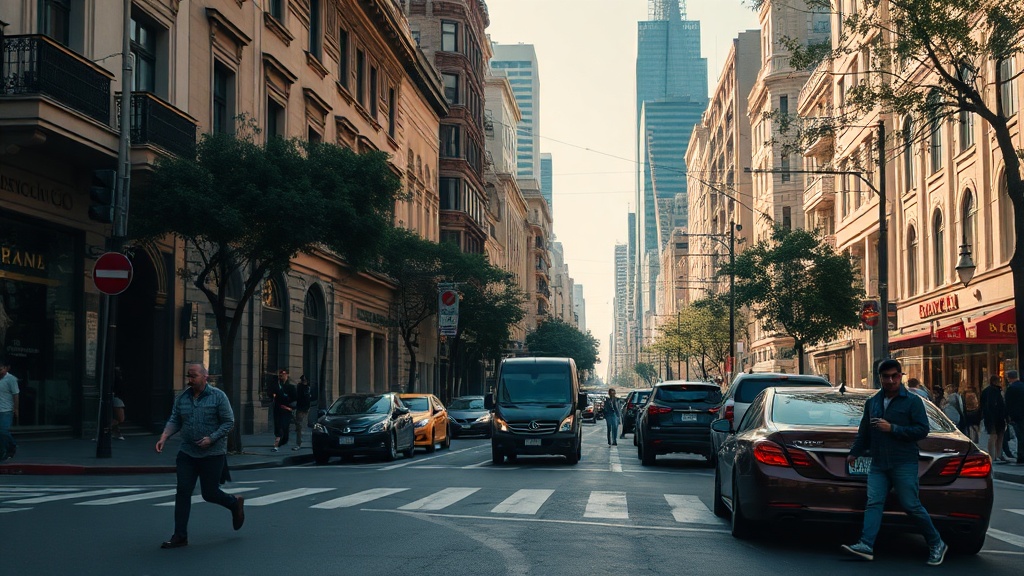
A Slow Morning in Mexico City's Roma and Condesa Neighborhoods

The scent of toasted corn and fresh espresso drifts through the air, mixing with the sound of a distant street vendor calling out "¡Tamales oaxaqueños!" while the morning sun hits the Art Deco facades. This guide explores how to spend a slow, intentional morning wandering through the Roma and Condesa neighborhoods of Mexico City. We’ll look at the best spots for coffee, the most scenic routes for a stroll, and how to embrace the neighborhood's unique rhythm without rushing through a checklist.
Mexico City is a massive, high-energy metropolis, but the magic of the Roma and Condesa districts lies in their ability to slow down. These neighborhoods offer a different pace than the bustling Centro Histórico. Here, the focus shifts to lush parks, tree-lined streets, and the art of the long breakfast.
What is the best way to experience Roma and Condesa?
The best way to experience these neighborhoods is by walking through the parks and stopping at small, independent cafes along the way. Instead of trying to see everything, pick one neighborhood—either Roma Norte or Condesa—and let your feet lead the way. Most of the best experiences here aren't found in museums, but in the way the light hits a courtyard or how a local coffee shop sets its pace.
I always suggest starting in Condesa near Parque México. It’s a central hub for both locals and expats, and the energy is infectious. You might see people walking their dogs, joggers passing by, or artists sketching on the park benches. It's a perfect place to ground yourself before the heat of the afternoon sets in.
Coffee and Breakfast Spots
If you're looking for a serious caffeine fix, don't just settle for any cafe. There is a real coffee culture here that rivals much of Europe or North America. I’ve found that the best way to find a good spot is to look for places that roast their own beans or partner with local producers.
- Panadería Rosetta: You can't talk about a slow morning in CDMX without mentioning their guava rolls. The line might be long, but it moves quickly.
- Panaderia de la Esquina: For a more low-key, local vibe, grab a pastry here and sit on a nearby bench.
- Café Avellaneda: This is a great spot if you are a coffee nerd. They take their brewing methods very seriously.
One thing to note—many of these spots are small. Don't expect a massive dining room with plenty of space to work on your laptop. These are places meant for sipping a latte and watching the world go by, not for a three-hour business meeting.
How much does a coffee and breakfast cost in Mexico City?
A typical breakfast of coffee and a pastry or a light meal will cost between 150 and 350 MXN (roughly $8 to $20 USD). Prices vary depending on whether you are at a street stall or a high-end specialty cafe.
To give you a better idea of what to expect, I've put together a quick breakdown of common morning expenses in the area. It's always a good idea to carry some cash, as many smaller, more authentic spots might not take cards for small transactions.
| Item | Price Range (MXN) | Price Range (USD approx.) |
|---|---|---|
| Street Tamale & Atole | 30 - 50 | $1.50 - $3.00 |
| Specialty Latte | 60 - 90 | $3.50 - $5.00 |
| Artisanal Pastry | 50 - 100 | $3.00 - $6.00 |
| Full Breakfast (Chilaquiles/Eggs) | 200 - 350 | $12.00 - $20.00 |
It's quite affordable compared to much of the US or Europe, which is part of the charm. You can enjoy a high-quality meal without breaking the bank, even in these trendy areas. Just remember that "trendy" in Mexico City often means a slightly higher price point than the rest of the city.
A Suggested Morning Itinerary
- 8:30 AM: Start with a walk through Parque España. The trees are massive and provide plenty of shade.
- 9:30 AM: Grab a coffee at a local shop and find a seat near a window to watch the street life.
- 11:00 AM: Wander through the side streets of Roma Norte. Look for the architecture—the beautiful tiling and ironwork are incredible.
- 12:00 PM: End your morning with a light lunch or a heavy pastry at a bakery before the afternoon heat kicks in.
The beauty of this plan is that it isn't rigid. If you find a bookstore that looks interesting, stop. If you see a street performer, stay a while. The goal isn't to "complete" the morning; it's to live it.
Where can I find the best views and greenery?
The best greenery is found in the large central parks like Parque México and Parque España, which act as the lungs of the neighborhood. While there aren't many "lookout towers," the elevated views come from the balconies of the beautiful buildings surrounding these parks.
If you want to see how the city integrates nature into its urban design, look at the way the trees create a canopy over the streets. It makes the temperature feel much cooler than it actually is. It's a relief from the concrete jungle found in other parts of the city. For more information on the urban layout and history of these districts, the Wikipedia page for the Roma district offers a great historical context.
I often think about how much a city's character is shaped by its public spaces. In Tokyo, the neighborhood exploration is often about finding hidden, tiny-scale perfection—much like the way I approach exploring cities elsewhere. You can read more about that specific mindset in my post on Tokyo Beyond the Neon. The same logic applies here: don't look for the big landmarks; look for the small, perfect moments.
One thing I've noticed is that the more you wander, the more the neighborhood reveals itself. You might find a tiny plant shop tucked between two apartment buildings or a small gallery that only opens in the mornings. These are the things that stick with you long after you've left the city.
The light in Mexico City during the morning is particularly beautiful. It has a soft, golden quality that makes the greenery in Condesa look almost surreal. It's the perfect time for photography, but I'd argue it's even better for just sitting and observing. There's a certain stillness that exists even in a city of twenty million people.
If you're planning a trip, don't feel pressured to book everything in advance. The beauty of Roma and Condesa is the spontaneity. You might find your favorite cafe by accident, or you might spend an hour just watching a dog chase a ball in the park. That's the whole point of a "slow morning."