Berlin's Hidden Courtyards and Backyard Culture

Beyond the Brandenburg Gate: A different side of Berlin
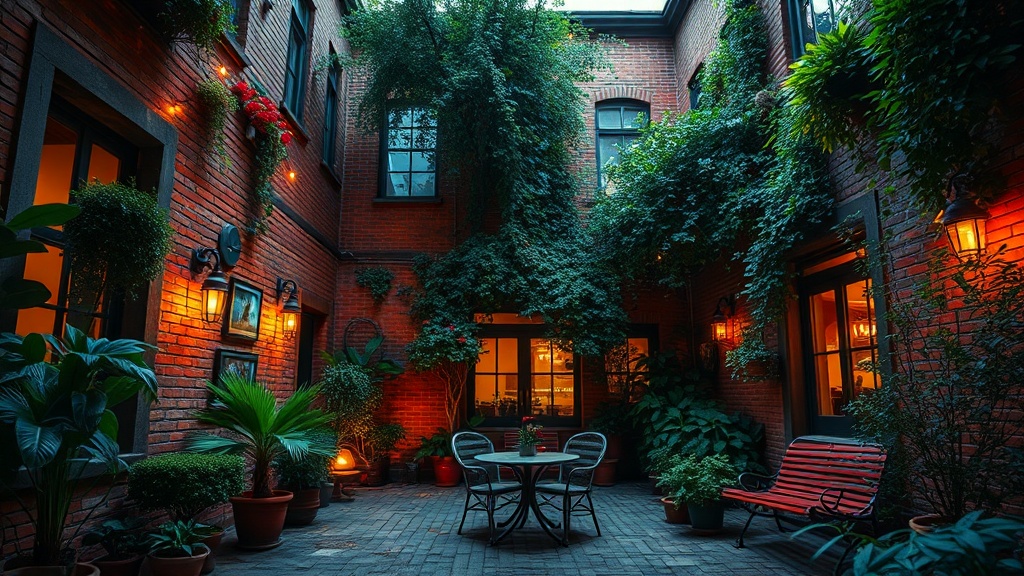
Picture this: you're walking down a narrow, cobblestone street in Mitte. You see a heavy, unremarkable metal door, slightly ajar. Instead of turning away, you step inside. The noise of the main road vanishes, replaced by the sound of a single bicycle bell and the distant clinking of coffee cups. You've just stepped into a Hinterhof—a hidden courtyard that serves as the actual heartbeat of Berlin life. This isn't the flashy, neon-lit Berlin of the tourist brochures; it's the quiet, textured reality of the city's architecture and social fabric.
Berlin is a city defined by its layers. Most travelers spend their time on the main thoroughfares—Unter den Linden or the busy streets of Kreuzberg—but the real character of the city hides in its secondary spaces. These inner courtyards (Hinterhöfe) are more than just architectural quirks; they are communal living rooms, art studios, and small-scale commercial hubs that have survived decades of shifting political and social tides. Understanding how to find and respect these spaces is the difference between being a spectator and actually experiencing the city.
Where can you find the best hidden courtyards in Berlin?
If you want to see the most impressive examples, you need to head toward the Mitte district, specifically around the area of Hackescher Markt. While the main market is crowded, the network of courtyards branching off it is a labyrinth of creativity. Each courtyard—or Hof—has its own identity. Some are dedicated to high-end boutiques and galleries, while others feel like private residential enclaves where you'd feel like an intruder if you didn't tread lightly.
A great starting point is the Hackesche Höfe. It's a complex of eight interconnected courtyards, each with its own vibe. One might feel like a polished shopping arcade, while the next feels like a gritty, industrial workspace. For a more relaxed, local feel, look for the smaller, unlisted courtyards in Prenzlauer Berg. These often host small independent bookstores or even tiny art workshops. If you're looking for more detailed historical context on how these spaces shaped the city, the official Visit Berlin website offers great insights into the different districts and their historical development.
Finding these spots isn't about following a GPS pin; it's about looking for the gaps in the streetscape. Look for the narrow alleys, the recessed doorways, and the subtle signs that a space is open to the public. Sometimes, a simple sign or a piece of street art will signal that a courtyard is a shared space. It's a slow process of discovery that rewards the curious traveler.
Is it okay to explore private courtyards?
This is a frequent question for travelers, and the answer is a nuanced one. Berlin's culture is built on a sense of shared space, but there is a very clear line between public and private. Many of these courtyards are part of residential buildings. If you see a sign that says "Privat" or "Kein Durchgang," respect it. The goal is to be a respectful observer, not a trespasser.
As a general rule, if the courtyard feels like it's part of a commercial or public-facing area—like the Hackesche Höfe—you are perfectly fine to wander. However, if you find yourself in a space that feels quiet, residential, and intimate, keep your voice down and keep moving. The beauty of these spaces lies in their subtlety. You're there to soak in the atmosphere, not to disrupt the daily rhythm of the people living there. It's about being an unobtrusive guest in the city's living history.
"Berlin is a city of many faces, and the most interesting ones are often tucked away behind a nondescript door." — A local sentiment often heard in the cafes of Kreuzberg.
When you do enter these spaces, pay attention to the small details. The way the light hits the brickwork, the sound of a heavy door closing, or the way the temperature drops as you move away from the street. These sensory shifts are what make the Hinterhof experience so compelling.
What should I look for in a Berlin neighborhood?
When choosing where to spend your time, don't just look at the big names. Berlin's neighborhoods (Kiezes) are incredibly distinct. Instead of just looking for "cool" areas, look for areas with high density of small, independent businesses. This usually indicates a neighborhood with a strong, localized economy and a vibrant street life.
For example, Neukölln has undergone massive changes, but it still retains many of those tucked-away corners that feel authentic. You might find a small cafe tucked into a courtyard that serves better coffee than any high-end chain. This is where the culture happens. You can learn more about the diverse neighborhoods and their specific characters through resources like Berlin.de, which provides official city-wide information.
- Mitte: Great for seeing the more polished, historical courtyards and galleries.
- Prenzlauer Berg: Perfect for finding quiet, leafy residential courtyards and boutique shops.
- Kreuzberg: Offers a more rugged, artistic vibe with plenty of unexpected spaces.
- Neukölln: A blend of old-school grit and new-school creativity, perfect for spontaneous discovery.
To get the most out of your exploration, I suggest a "no-map" afternoon. Pick a neighborhood, find a small side street, and simply walk. If you see an interesting doorway or a narrow passage, take a look. The best part of Berlin isn't the stuff you planned to see; it's the stuff you stumbled upon because you decided to turn left instead of right.
The architecture of these spaces—the way they transition from the public street to the private interior—is a masterclass in urban design. It creates a sense of mystery and discovery that is rare in many other major European cities. It makes the city feel like a puzzle that you're slowly solving with every step you take.