Building a Practical Foodie Itinerary for Tokyo's Neighborhoods

How do you find the best local food in Tokyo without hitting the tourist traps?
Tokyo is a city of layers, and much of its best culinary energy exists far away from the bright lights of Shibuya or the flashy neon of Shinjuku. If you're looking for more than just a standard bowl of ramen from a chain, you need a strategy for how you approach your meals. This guide covers how to identify high-quality dining pockets, how to read the subtle signs of a good shop, and how to structure your days around specific food districts so you aren't just eating where the crowds are.
Most travelers make the mistake of eating at the same three or four places they saw on social media. While those spots might be decent, they rarely give you a true sense of the local food culture. To get a real taste of the city, you have to look at the neighborhoods. For example, a trip to Yanaka feels completely different from a trip to Shimokitazawa. One is steeped in history and traditional sweets, while the other is a hub for experimental cafes and organic coffee. Knowing these distinctions changes how you plan your day.
Where are the best neighborhood food scenes in Tokyo?
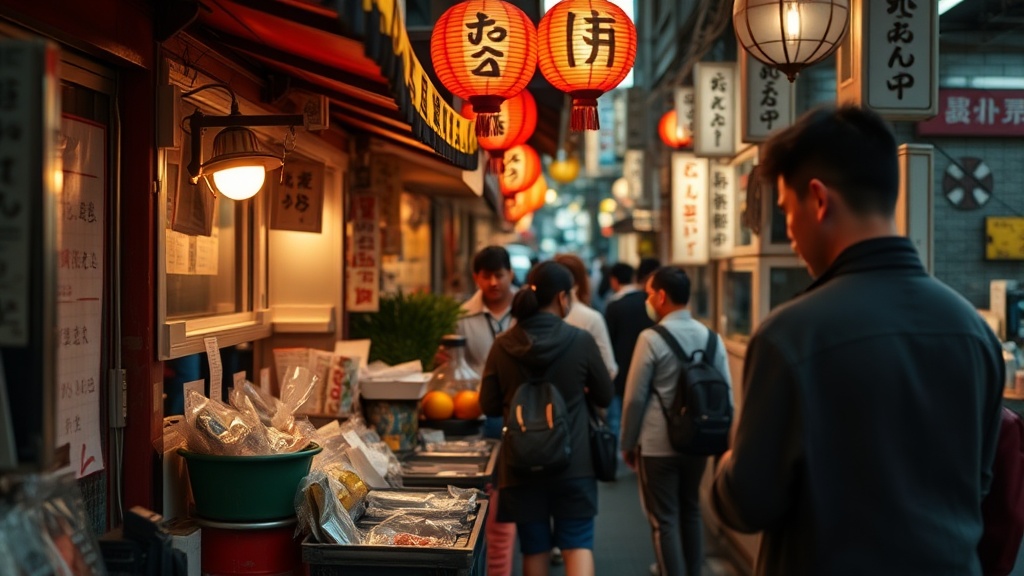
If you want to eat like a local, you should look toward the residential-adjacent areas. In neighborhoods like Koenji or Nakano, the food scene is much more approachable and much cheaper than the central hubs. You'll find small izakayas (Japanese-style pubs) tucked into narrow alleys that serve incredibly high-quality yakitori or seasonal vegetable dishes. These spots often don't have English menus, which can feel intimidating—but that's actually a sign of authenticity.
Another great way to approach this is by looking for "depachika." These are the basement food halls found in large department stores like Isetan. They are a goldmine for high-end bento boxes, artisanal pastries, and ready-to-eat delicacies. Instead of sitting in a formal restaurant, you can grab a variety of small, expensive, and delicious items to eat in a nearby park. It's a way to experience a wide range of flavors without the stress of a formal booking.
For those who love street food, you shouldn't overlook the smaller shrines or local markets. While much of Tokyo's street food is more controlled and subtle than in cities like Bangkok, there are still plenty of opportunities to grab a quick snack. A simple taiyaki (fish-shaped cake) or a small skewer from a vendor can be the highlight of an afternoon walk. Just remember that many of these smaller vendors rely on cash, so keep some yen on hand.
Is it better to book restaurants in advance or walk in?
The answer depends heavily on your budget and your preference for certain styles of dining. If you're aiming for high-end sushi or a specialized Michelin-starred experience, you'll need to book weeks—sometimes months—ahead. Many of these places use online booking platforms or require you to have your hotel concierge call for you. However, if you're looking for the best ramen, yakitori, or casual izakaya, walking in is often your best bet. These places have higher turnover and rely on spontaneous diners.
- The Ramen Rule: Most ramen shops use a vending machine system at the entrance. You pay first, get a ticket, and then sit down. This makes the process fast and efficient, but it also means there's very little interaction with the staff.
- The Izakaya Strategy: If you want to experience a lively evening, head to an area like Ebisu or Yurakucho. Look for places with people standing outside or a queue of locals. If the menu is handwritten or looks very simple, you're usually in good hands.
- The Cafe Culture: Tokyo has an incredible cafe scene, especially in areas like Daikanyama. These are great for a mid-afterza break, but be aware that many popular cafes have strict rules about laptop use or long stays.
When you're deciding where to eat, don't be afraid to follow the queues. A long line of salarymen (office workers) at 6:00 PM is a much better indicator of quality than a glossy advertisement. It shows that the food is part of the daily rhythm of the city. If you see a shop that only serves one or two items, that's a good sign. It means they've spent years perfecting a single craft, whether it's tempura, unagi, or tonkatsu.
How can I navigate menus without knowing Japanese?
Language barriers are a common concern, but Tokyo is surprisingly easy to navigate if you have the right tools. Most menus in popular areas will have pictures, and many modern establishments include English translations. However, for the truly local spots, you might just see kanji characters. This is where being observant pays off. Look at what the person at the next table is eating. If it looks good, you can point to it and ask, "Kore wa nan desu ka?" (What is this?) or simply point and say "Kore o onegaishimasu" (This, please).
I highly recommend using a translation app that can handle image-based translation. You can simply point your camera at the menu, and the text will overlay in English. This is a lifesaver when you're looking at a list of ingredients or different types of seasonal fish. Also, keep a few common food words in your back pocket. Knowing the difference between "meat," "fish," "vegetable," and "allergy" can prevent a lot of trouble. You can find more detailed guides on Japanese dining etiquette on sites like Japan-Guide to ensure you're being respectful.
| Food Type | Typical Neighborhood | Vibe |
|---|---|---|
| Ramen | Ikebukuro / Shinjuku | Fast, salty, comforting |
| High-end Sushi | Ginza / Tsukiji | Formal, precise, expensive |
| Izakaya/Yakitori | Ebisu / Yurakucho | Social, lively, casual |
| Cafes/Pastries | Daikanyama / Omotesando | Trendy, relaxed, aesthetic |
Ultimately, the best way to eat in Tokyo is to stay curious. Don't stick to the main thoroughfares. Turn down the side streets, follow the smell of grilled charcoal, and don't be afraid to try things that look a little unusual. The most memorable meals often come from the places that don't even have a sign in English.