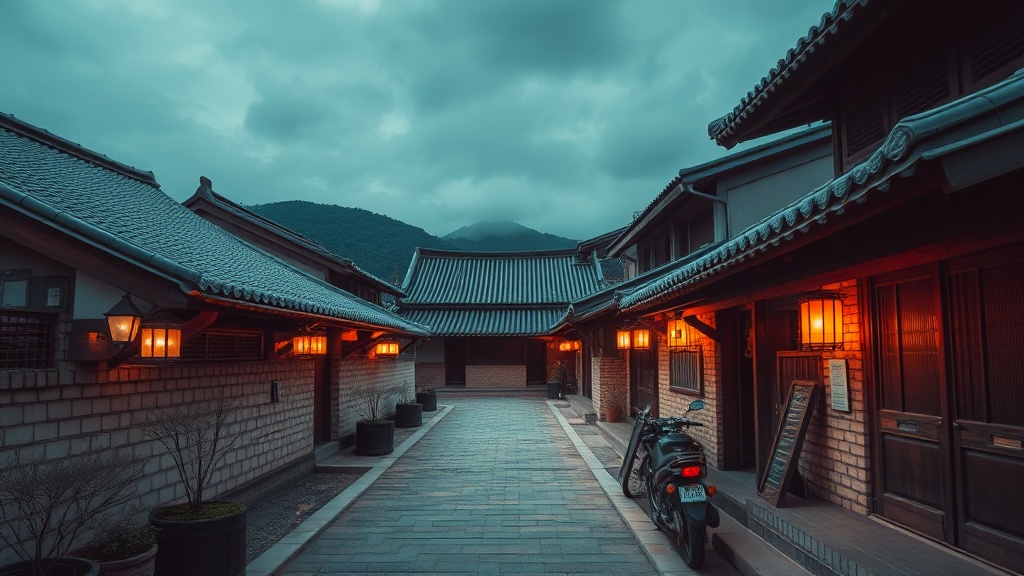
Finding Quiet Corners in Seoul's Hanok Villages

This guide identifies specific locations and strategies for finding silence and solitude within Seoul's historic Hanok villages. You'll learn which areas to avoid during peak tourist hours, how to identify truly quiet side streets, and where to find the best traditional tea houses that maintain a respectful, low-volume atmosphere. It's a practical resource for travelers who want to experience traditional Korean architecture without the constant noise of crowds.
Where are the best quiet spots in Bukchon Hanok Village?
The best quiet spots in Buketon are found on the secondary and tertiary alleys away from the main Gyeongbokgung Palace road. While the main thoroughfares are often packed with tour groups, the smaller residential lanes—especially those near the northern end of the village—offer much more peace. If you walk just two or three blocks away from the primary selfie-spots, the noise drops significantly.
Look for the areas near the Bukchon Traditional Culture Center. This is a great place to start because it provides a sense of scale for the neighborhood. Most people cluster around the famous "Bukchon Signature View" photo spots. Don't do that. Instead, wander toward the residential edges where the steep hills lead into the mountainside. The elevation change naturally keeps the heavy foot traffic away.
A good rule of thumb is to look for streets that don't have large signage for cafes or souvenir shops. If a street is lined with shops selling traditional fans or cheap trinkets, it's going to be loud. If the street is just a narrow path between high stone walls and wooden gates, you've found your sanctuary. (I've spent plenty of time wandering these alleys, and the difference in decibels is startling.)
One thing to keep in mind is that these are living neighborhoods. People actually live in these Hanoks. It’s not a museum; it's a home. Respecting the silence isn't just a suggestion—it's a necessity for being a good visitor. If you hear a doorbell or a voice from a window, it's a sign you're in a private space.
How much does it cost to visit a traditional tea house?
Visiting a traditional tea house in a Hanok village typically costs between 7,000 and 15,000 KRW per person. This price usually covers a single serving of high-quality traditional tea, such as green tea, barley tea, or ginger tea, and sometimes a small traditional snack like a rice cake.
Prices can vary depending on the level of service and the specific establishment. Here is a quick breakdown of what you can expect to spend during a typical afternoon:
| Type of Establishment | Average Price (KRW) | What's Included |
|---|---|---|
| Standard Tea House | 7,000 - 9,000 | One tea serving |
| Premium Tea Experience | 12,000 - 18,000 | Tea + traditional dessert |
| Modern Cafe (Hanok Style) | 6,000 - 8,000 | Coffee or modern tea |
If you're looking for a more formal experience, some places offer tea ceremonies. These are more expensive but much more immersive. If you want to understand the depth of Korean culture, I highly recommend checking the official Korea Tourism Organization website for vetted cultural programs. They often list authentic experiences that aren't just "tourist traps."
It's worth noting that many of these tea houses are cash-friendly, though most accept credit cards and T-money cards. Don't be surprised if a tiny, quiet spot prefers a direct transfer or cash for small amounts. It's a common practice in older, traditional businesses.
A few tips for a peaceful experience:
- Time your visit: Aim for 10:00 AM or after 4:00 PM. The midday rush is when the noise is highest.
- Watch your volume: Keep your voice low, especially when walking through residential-only alleys.
- Use your eyes, not your flash: Photography is great, but a bright flash or a loud shutter can disrupt the vibe of a quiet courtyard.
What is the best time of day to visit Hanok villages?
The best time to visit is early in the morning, specifically between 8:00 AM and 10:00 AM. During these hours, the light is soft and the streets are virtually empty of large tour groups. You'll have the space to actually observe the texture of the wood and the curve of the roof tiles without someone bumping into you.
If you can't make it in the morning, the late afternoon—around 5:00 PM—is your next best bet. The sun begins to dip, the light turns golden, and the crowds start to head toward the subway stations for dinner. This is when the villages feel most magical. The shadows grow long against the stone walls, and the atmosphere becomes genuinely contemplative. It's a bit like exploring the quieter side of Tokyo—you have to seek out the rhythm of the neighborhood rather than following the main pulse.
Avoid weekends if you can. Saturday and Sunday in Bukchon or Ikseon-dong are essentially much more intense versions of a typical city center. The "quiet corner" becomes a myth during these times. If you're a photographer or someone who travels for culture, aim for a Tuesday or Wednesday. You'll find much more breathing room.
The weather also plays a massive role. In the height of summer, the heat can be brutal, and people tend to huddle in the shade or indoors. In the winter, the streets are much quieter because the cold drives people indoors. If you're comfortable with a bit of a chill, a winter morning in a Hanok village is incredibly serene. The way the frost looks on the dark wood of the eaves is something special.
There's a specific kind of silence that exists in these places. It isn't a void of sound; it's a layered quiet. You'll hear the distant hum of the city, the wind through the trees, and perhaps the soft sound of someone sweeping a courtyard. It's a deliberate, intentional kind of quiet that makes the experience worth the effort.
To get a better sense of the architectural history, you might want to look up the Wikipedia entry on Hanok. Understanding how these buildings are constructed—specifically the relationship between the indoor and outdoor spaces—will change how you view the streets. You'll start to see the alleys not just as paths, but as part of the architecture itself.
Don't forget to look up. Often, we spend so much time looking at the ground or our phones that we miss the eaves. The cheoma (the curved eaves of the roof) are designed to manage light and shadow. Looking up is often the best way to find a new perspective on a street you thought you'd already seen.
If you find a small tea house that looks inviting, don't hesitate to go in. Most of the best places aren't on the first page of a Google search. They are the ones tucked away in the corners, with small signs and no neon lights. Those are the places where the real Seoul lives.