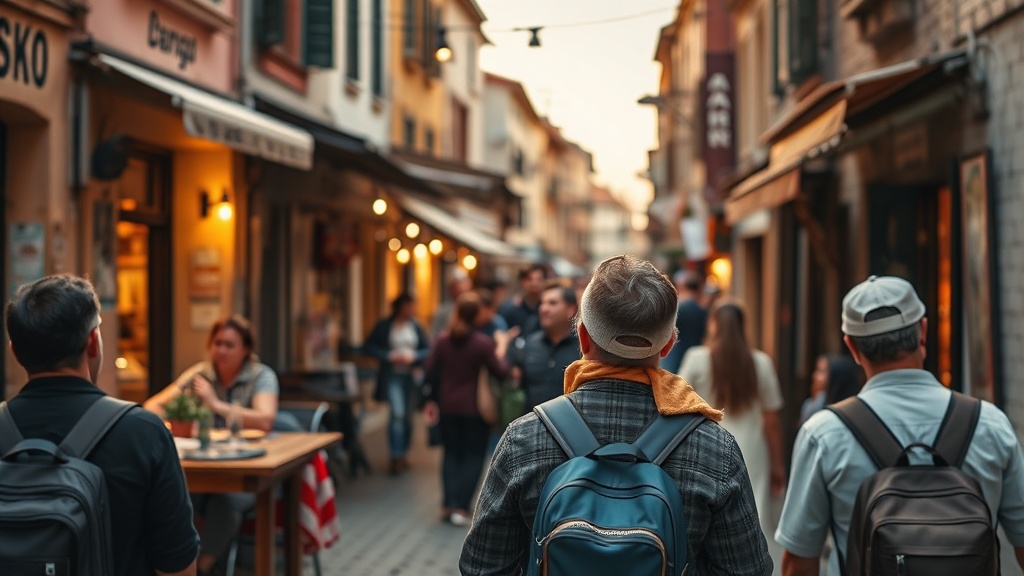
How to Find Authentic Local Experiences Instead of Tourist Traps

Here's something that might surprise you: 76% of travelers say they want authentic local experiences, yet the same percentage admits they end up at the same restaurants and attractions as everyone else. The gap between wanting something genuine and actually finding it is where most city breaks fall short. This guide closes that gap—practical strategies for experiencing cities the way locals do, not the way guidebooks tell you to.
Why Do Tourists Keep Falling for the Same Traps?
The answer isn't stupidity—it's psychology. Our brains are wired for safety and efficiency. When you're hungry in an unfamiliar city, the restaurant with an English menu and photos of food feels reassuring. It's not a bad choice; it's a survival mechanism.
But here's the thing—those places optimize for volume, not quality. They know you won't be back. A 2019 study from the University of Surrey found that tourist-oriented restaurants spend 40% less on ingredients per dish than local eateries. You're paying more for less, and everyone knows it except the tourists standing in line.
The first step to breaking this pattern is simple: get comfortable with mild discomfort. Walk two blocks past the main square. Turn down the street without the neon signs. The best experiences are almost always hiding in plain sight—just far enough away that casual visitors won't bother.
Where Do Locals Actually Eat, Drink, and Gather?
Finding local spots requires a shift in how you research. Forget TripAdvisor's top ten lists—those are popularity contests won by businesses with marketing budgets, not cooking skills. Instead, use these methods:
Follow the office lunch crowd. At noon on a weekday, watch where people in business attire are walking. They're not going to tourist traps—they're going to places that serve good food quickly at fair prices. These spots earn repeat customers through quality, not location.
Learn five food words in the local language. You don't need fluency—you need enough to read a menu without pictures. Restaurants without translated menus aren't being difficult; they're serving a local clientele that doesn't need translation. That's your signal.
Check Instagram geotags—but be smart about it. Don't look at the most popular posts. Look at recent posts from accounts with local-sounding names. Someone posting in Portuguese about a Lisbon café is probably local. Someone posting in English about "quaint European coffee" is probably not.
According to National Geographic's food tourism coverage, the most memorable travel experiences increasingly center on authentic culinary encounters—not Michelin stars, but neighborhood joints where recipes pass through generations.
How Can You Connect with Locals Without Being Awkward?
There's a fine line between engaging and intruding. The key is context. Asking questions during an activity you share is natural. Approaching strangers on the street is not.
Use platforms designed for connection. Meetup.com lists local events in most major cities—language exchanges, hiking groups, book clubs. Show up as a curious visitor, not a passive consumer. The conversation flows naturally when you're both there for the same reason.
Visit places with a purpose, not just to observe. Take a cooking class. Join a walking tour led by a resident (not a professional guide). Attend a neighborhood festival. When you're doing something alongside locals, you're not interrupting their day—you're participating in it.
Ask specific questions, not vague ones. "What's fun to do here?" puts pressure on people to perform. "Where would you go for a quick lunch near the museum?" is easy to answer. People love sharing specific expertise—they're less enthusiastic about being your personal concierge.
A fascinating Pew Research study on local community engagement found that shared activities create stronger bonds than shared spaces. The corner bar means nothing until you're a regular. The pottery class means everything after one session.
What Should You Avoid Doing?
Some behaviors immediately mark you as a tourist—and not in a charming way. Avoid these:
- Photographing people without permission. That street vendor isn't part of your "authentic experience" content. Ask first, or better yet, put the camera away and actually talk to them.
- Expecting English everywhere. Learn "hello," "thank you," and "do you speak English?" in the local language. The effort matters more than the pronunciation.
- Treating locals as resources, not people. The shopkeeper isn't there to practice your Spanish on. Buy something first, then chat if they seem receptive.
- Haggling aggressively in non-negotiable contexts. Markets in some cultures expect bargaining. Cafés and restaurants rarely do. Know the difference.
How Do You Know You've Found Something Real?
Authenticity isn't a binary—it's a spectrum. A restaurant with one translated item on the menu is more authentic than one with full English service. A shop where the owner chats with regulars while serving you is more authentic than one with a scripted greeting.
Look for these signals:
- Multi-generational customers. Families eating together suggest the place has earned loyalty over time.
- Regulars being greeted by name. This indicates repeat business from locals—the best possible endorsement.
- Imperfect presentation. Real local spots prioritize substance over Instagram aesthetics. The food might look messy. It'll taste better.
- Payment methods. Cash-only or limited card acceptance often signals a business serving locals who know the deal, not tourists expecting convenience.
The goal isn't to avoid all tourist experiences—that's impossible and unnecessary. The Sagrada Família is worth seeing even though it's crowded. The goal is balance: iconic sights mixed with neighborhood discoveries, famous dishes alongside unknown specialties, planned activities with spontaneous wandering.
Your best city break memories won't come from checking items off a list. They'll come from the café where the owner recommended a dish not on the menu. From the park bench conversation with a local who told you about a street festival happening that weekend. From getting slightly lost and finding something you never would have searched for.
Start your next trip with one concrete plan: one researched activity, one restaurant reservation, one museum ticket. Leave the rest open. Walk. Look around. Ask someone wearing a local sports jersey where they'd grab dinner. The authentic experience isn't hiding—it's waiting for you to slow down enough to notice it.