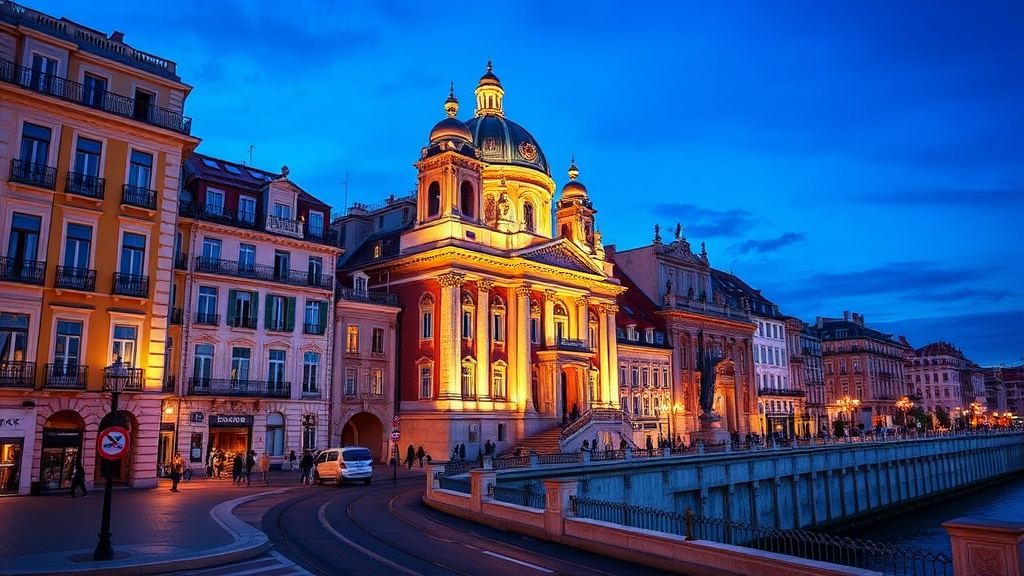
Lisbon City Break: A Complete Weekend Guide to Portugal's Capital

This guide covers a complete 48-hour Lisbon itinerary — neighborhoods to explore, what to eat, where to stay, and how to get around without overspending. Whether you're flying in from London for a quick getaway or tacking a weekend onto a longer Portugal trip, you'll find specific recommendations that save time and money.
What Are the Must-See Neighborhoods in Lisbon?
Alfama, Bairro Alto, and Belém — three distinct districts that define the Lisbon experience. Each offers something different, and skipping any of them means missing a core piece of what makes this city worth visiting.
Alfama is the oldest neighborhood, a maze of narrow streets that survived the 1755 earthquake. You'll wander past laundry hanging from balconies, hear fado music drifting from corner taverns, and climb steep cobblestone hills that reward effort with views over terracotta roofs to the Tagus River. Start early — before 9 AM — when the streets belong to locals buying bread and the light hits São Jorge Castle just right.
Bairro Alto transforms from sleepy residential quarter to nightlife hub as the sun sets. During daylight hours, browse independent boutiques along Rua do Norte and grab a coffee at Fábrica Coffee Roasters on Rua Portas de Santo Antão. Come evening, the bars open their doors and crowds spill into the streets. It's loud, chaotic, and completely unmissable — even if you don't stay out past midnight.
Belém sits west of the city center, a 15-minute tram ride on the historic E28 line. This is where Portugal's Age of Discovery began, and the monuments reflect that legacy — the Jerónimos Monastery, the Tower of Belém, and the Padrão dos Descobrimentos. The area feels more spacious, more monumental, a deliberate contrast to Alfama's intimacy. Worth noting: most monuments close by 6 PM, so plan accordingly.
Where Should You Eat in Lisbon?
Time Out Market for variety, Cervejaria Ramiro for seafood, and neighborhood tascas for authentic, budget-friendly meals. Lisbon's food scene rewards exploration — and doesn't require deep pockets.
Start with breakfast: a pastel de nata (custard tart) and a bica (espresso) at Pastéis de Belém. Yes, it's touristy. Yes, the lines are long. But the original recipe — unchanged since 1837 — delivers a flaky, caramelized crust and custard filling that lesser imitations don't match. Arrive before 10 AM to beat the rush.
For lunch, hit the Time Out Market in Mercado da Ribeira. It's not cheap — expect €12-18 per plate — but the quality control is rigorous. Chefs like Henrique Sá Pessoa and Marlene Vieira operate stalls here, serving everything from grilled octopus to bacalhau (salt cod) croquettes. The catch? Seating disappears fast during peak hours. Go at 12:30 PM or after 2:30 PM.
Dinner demands a different approach. Cervejaria Ramiro on Avenida Almirante Reis is an institution — butter garlic prawns, percebes (goose barnacles), and giant tiger prawns served on metal plates with cold beer. Expect a wait. No reservations. Show up at 6 PM when doors open, or download the app to join the queue remotely.
That said, don't overlook the tascas — traditional taverns where locals eat. Tasca do Chico in Bairro Alto serves honest Portuguese comfort food: caldo verde (kale soup), grilled sardines, arroz de pato (duck rice). Most dishes run €8-12. The atmosphere is loud, familial, unpretentious. Exactly what you want after a day of walking hills.
How Much Does a Lisbon Weekend Actually Cost?
€250-400 per person for a standard weekend — less if you're careful, more if you prioritize comfort. Here's the breakdown:
| Expense | Budget Option | Mid-Range | Premium |
|---|---|---|---|
| Accommodation (2 nights) | €60-100 (hostel/private room) | €150-250 (boutique guesthouse) | €400+ (Memmo Alfama or similar) |
| Food (2 days) | €40-60 (tascas, groceries) | €100-140 (mix of casual and sit-down) | €200+ (fine dining at Belcanto) |
| Transport | €12 (24-hour metro pass) | €25 (taxis/rideshare mix) | €60+ (private transfers) |
| Activities | €20 (free walking tour + tips) | €50 (monuments, fado show) | €150+ (guided day trips) |
| Total | €132-192 | €325-465 | €810+ |
Portugal uses the euro — no currency confusion. Credit cards work everywhere except the smallest tascas and some tram ticket machines. Carry €50-100 in cash. Tipping isn't obligatory; round up for coffee, leave 5-10% for restaurant meals. Service charges are typically included.
What's the Best Way to Get Around?
Walking for central neighborhoods, trams for hills and Belém, metro for airport transfers. Skip the rental car — Lisbon's streets are narrow, parking is scarce, and you'll spend more time navigating than exploring.
The vintage trams ( Remodelados) are a transportation mode and tourist attraction combined. The E28 route cuts through the most scenic parts of town — Graça, Alfama, Baixa, Estrela — but it's packed, slow, and a pickpocket risk. Take it once for the experience, then use the modern tram 15E to Belém or the metro for longer distances.
Uber and Bolt operate throughout Lisbon. Bolt is cheaper — often 20-30% less than Uber — and widely used. A ride from the airport to Alfama runs €8-12. Taxis are metered and reliable; look for the beige or black cars with green light indicators. From the airport, ignore the touts inside arrivals — walk straight to the official taxi stand outside.
Here's the thing about Lisbon's hills: they look manageable on a map, but they're steep. Alfama to Bairro Alto involves significant elevation gain. Comfortable shoes aren't optional — they're mandatory. The cobblestones (calçada portuguesa) are beautiful and treacherous. Wear rubber soles.
Where Should You Stay?
Alfama for atmosphere, Baixa for convenience, Príncipe Real for trendier vibes. Each neighborhood shapes your experience differently.
Alfama puts you in the heart of old Lisbon — narrow streets, fado music, castle views. Hotels like Memmo Alfama offer rooftop pools with panoramic Tagus views. The downside? Hills. Every walk home is uphill. Restaurants close early. Noise carries through stone walls.
Baixa is the flat, grid-patterned downtown rebuilt after the earthquake. It's central — walking distance to Rossio Station for day trips to Sintra, close to the waterfront, surrounded by shops and restaurants. The trade-off is a slightly sterile feel — less residential, more tourist-oriented.
Príncipe Real, just north of Bairro Alto, has emerged as the design district. Boutiques, concept stores, and some of the city's best restaurants cluster around the Jardim do Príncipe Real. Stay here if you want a local feel with upscale amenities. The LX Boutique Hotel and Hotel Valverde are solid mid-range options.
A Quick Day Trip Option
Sintra — fairy-tale palaces, misty forests, and Moorish ruins — sits 40 minutes from Rossio Station by train. It's beautiful, crowded, and overwhelming if rushed. If you have a third day, go. For a standard weekend, skip it. There's enough in Lisbon proper to fill 48 hours without the stress of cramming in another destination.
"Lisbon isn't a city you conquer in a weekend. It's a city you sample — one neighborhood, one pastel de nata, one hill at a time."
Pack light layers — mornings can be foggy, afternoons warm, evenings cool. Book restaurant reservations for Friday and Saturday nights. Download offline maps (cell service drops in Alfama's narrow streets). And embrace the pace — Lisbon rewards wanderers, not checklists.