Lisbon in 72 Hours: A Street-Level Guide to Portugal’s Most Addictive City

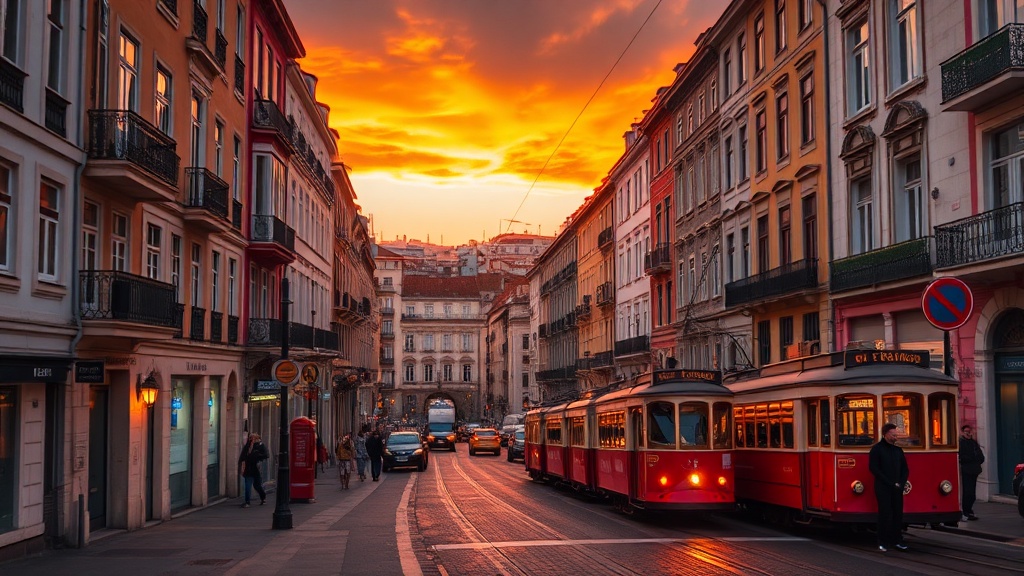
Lisbon doesn’t try to impress you all at once. It unfolds—slowly, unevenly, often uphill. And somewhere between a tram rattling past tiled buildings and a glass of vinho verde at sunset, it gets under your skin.
This isn’t a checklist-heavy itinerary. It’s a street-level guide to spending three days in Lisbon in a way that actually feels like you were there—rather than just passing through.
Day 1: Getting Lost in Alfama (On Purpose)
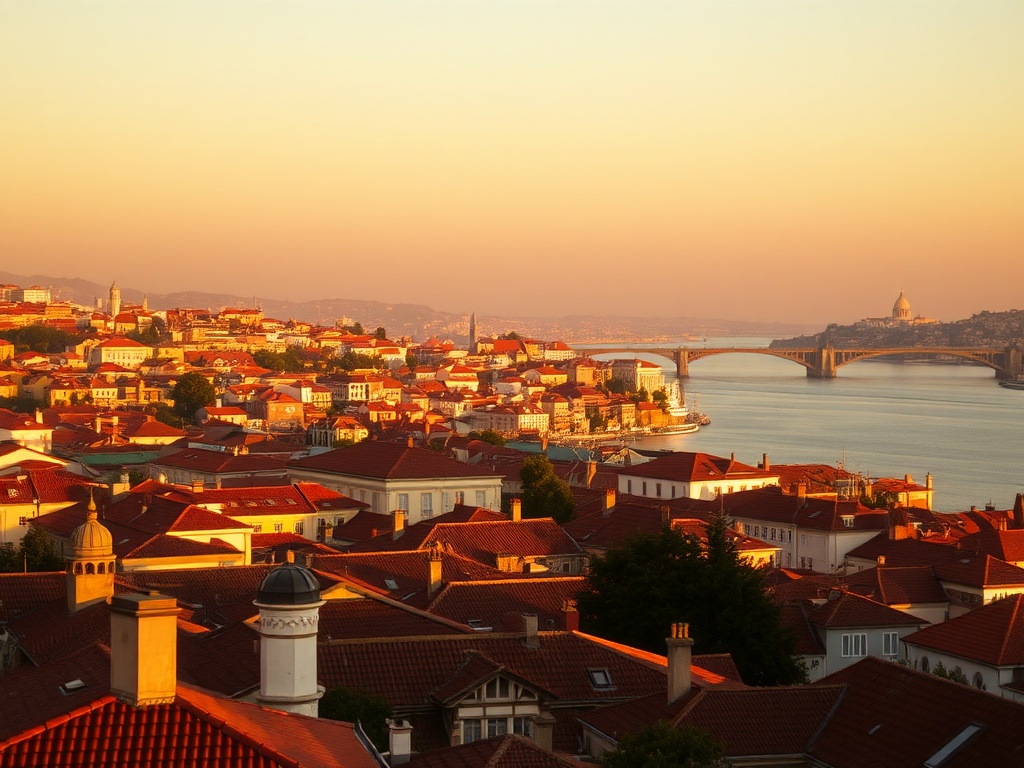
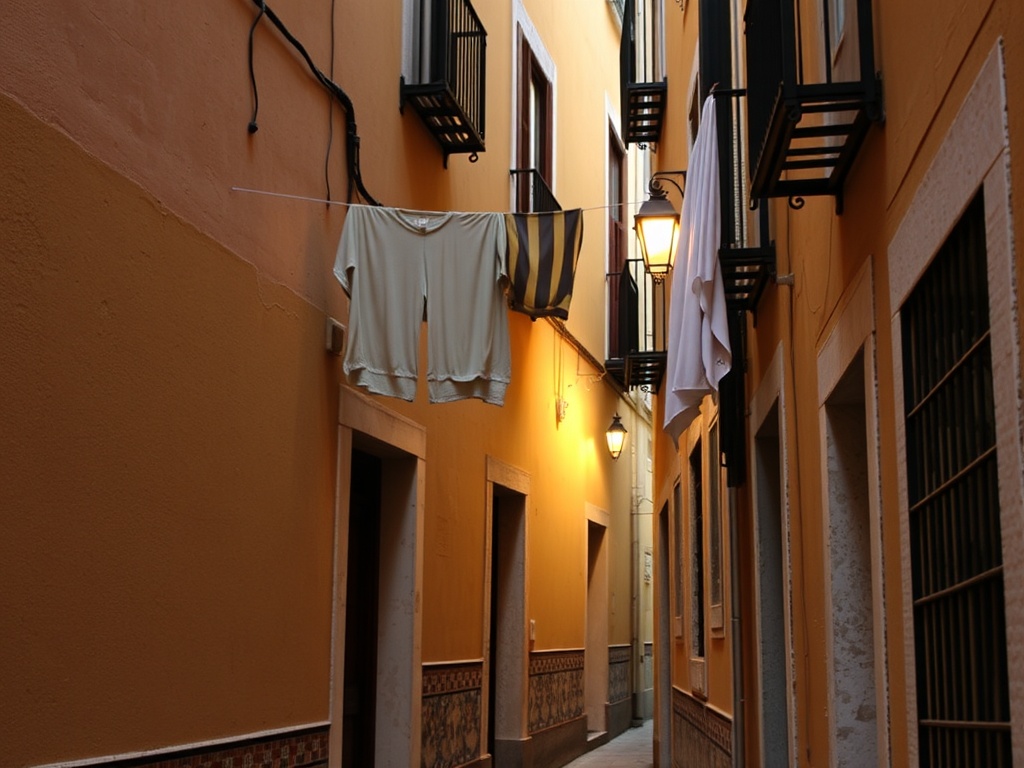
Start in Alfama, Lisbon’s oldest neighborhood, where the city still feels slightly medieval. The streets are narrow enough to force eye contact. Laundry hangs overhead. And Google Maps becomes more of a suggestion than a tool.
The trick here is simple: don’t rush. Wander uphill until you reach a viewpoint—then wander some more.
What to do:
- Climb toward Miradouro de Santa Luzia for one of the best views over red rooftops and the river.
- Step inside the Lisbon Cathedral (Sé) for a quick grounding moment—it’s austere, heavy, and centuries old.
- Pause at tiny cafes for espresso (bica). It costs almost nothing and resets everything.
By late afternoon, Alfama shifts tone. Musicians tune guitars. Restaurants set tables outside. This is when you stay put.
Dinner tip: Find a small, slightly cramped restaurant offering live fado. It’s not polished, and that’s the point. The singing is raw, emotional, and entirely Lisbon.
Day 2: Tram Lines, Pastries, and Belém’s Big Hits
Day two is about leaning into Lisbon’s most iconic experiences—but doing them strategically.
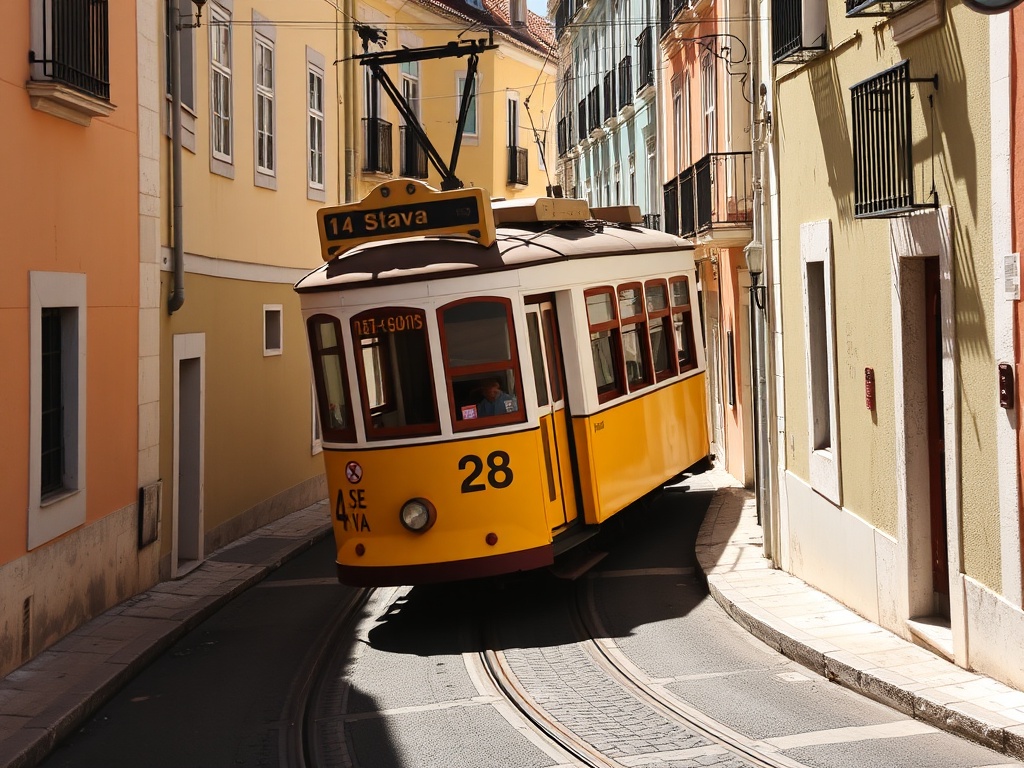
Start early and hop on Tram 28. Yes, it’s touristy. It’s also genuinely useful and one of the best ways to understand how the city fits together.
Ride it through Graça, Alfama, and Baixa, watching the neighborhoods shift in texture and pace.
Mid-morning mission: Belém.
Take a tram or train west to Belém, where Lisbon opens up along the river. This is where Portugal’s age of exploration still echoes.
- Visit Jerónimos Monastery—ornate, expansive, and quietly overwhelming.
- Walk to Belém Tower, which feels more decorative than defensive.
- Stand by the Monument to the Discoveries and imagine ships leaving for places no one had mapped yet.
Then do the most important thing: eat a pastel de nata from the original bakery. The line moves fast. The pastry is worth it—warm custard, flaky crust, dusted with cinnamon.
Back in central Lisbon, spend your afternoon in Baixa and Chiado.
- Walk through Praça do Comércio—huge, symmetrical, and slightly theatrical.
- Browse independent bookstores and old cafes in Chiado.
- Ride the Santa Justa Lift if you’re curious, but honestly, the surrounding viewpoints are better (and free).
Evening calls for Bairro Alto. It’s messy, loud, and full of energy. Bars spill into the streets, and the night doesn’t really start until 11pm.
Day 3: LX Factory, Time Out Market, and a Slower Finish
By day three, Lisbon should feel familiar. That’s when you branch out.
Start at LX Factory, a former industrial complex turned creative hub. It’s part design market, part food court, part art space. Some of it feels curated for Instagram—but there’s enough substance to justify the hype.
- Browse independent shops and small galleries.
- Visit the famous bookstore with stacked, sculptural shelves.
- Grab a coffee and sit longer than you planned.
Next stop: Time Out Market.
This is where Lisbon’s food scene condenses into one loud, crowded hall. It could easily feel gimmicky—but the quality is consistently high.
Order broadly:
- Seafood rice or grilled sardines
- A glass of Portuguese wine
- Something unexpected you didn’t plan on eating
In the afternoon, slow things down. Walk along the river. Sit on a bench. Watch ferries cross back and forth. Lisbon rewards stillness as much as movement.
End your trip with one last viewpoint—Miradouro da Senhora do Monte is a strong choice. It’s less polished, more open, and perfect at sunset.

Where Lisbon Surprises You
What makes Lisbon work isn’t just the landmarks. It’s the in-between moments.
It’s the way the light hits the tiles at odd angles. The sudden appearance of a viewpoint you didn’t plan for. The sound of footsteps echoing on stone streets at night.
Lisbon is imperfect in a way that feels human. It’s worn in, not worn out.
Practical Notes (That Actually Matter)
- Wear real shoes: The hills are relentless, and the cobblestones are slippery.
- Public transport is solid: Trams, metro, and trains connect everything you need.
- Timing matters: Early mornings and late evenings are when Lisbon feels most like itself.
- Cash helps: Smaller places still prefer it.
Final Thought
Three days in Lisbon won’t feel like enough—and that’s exactly why it works as a city break. You leave with unfinished business.
Not in a stressful way. In a quiet, pull-you-back kind of way.
And the next time you go, you won’t need an itinerary at all.