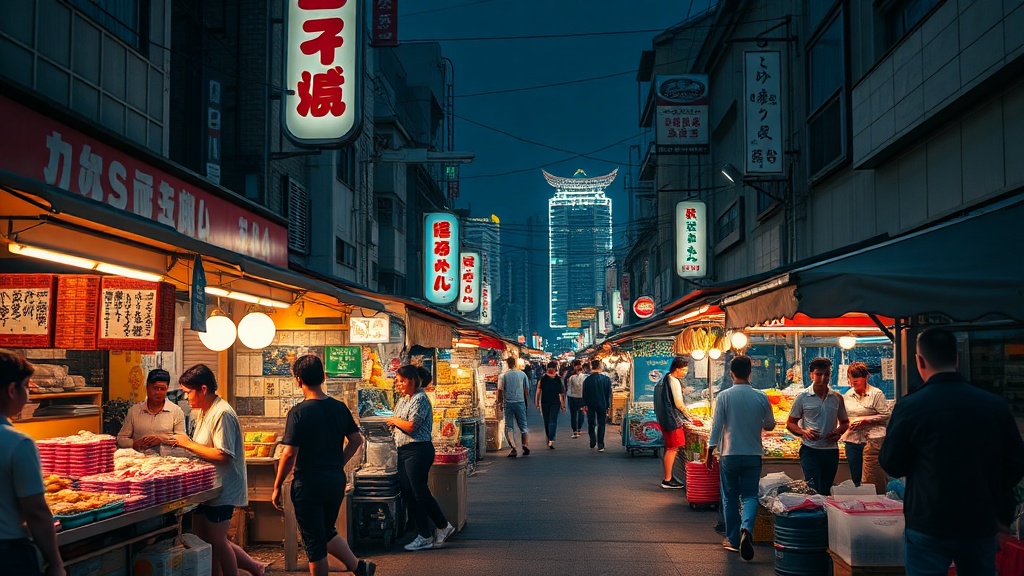
Seoul's Night Market Scene: What to Eat and Where to Go

What are the best night markets in Seoul for food lovers?
Have you ever wondered why the streets of Seoul seem to come alive only after the sun goes down? While many cities wind down after dark, Seoul enters a second, more vibrant life centered around heat, steam, and neon lights. This isn't just about eating; it's about the communal energy of standing on a street corner, eating a hot skewer while watching the world go by. This guide covers the most iconic night market locations, the specific dishes you shouldn't miss, and the cultural etiquette that makes these experiences work.
The sheer variety of options can be overwhelming if you aren't prepared. You aren't just looking at a menu; you're looking at a sensory overload of smells—sweet, spicy, savory, and fermented. Whether you're looking for a quick bite between subway stops or a full-blown evening of culinary exploration, the night markets provide a window into the real, unpolished side of Korean food culture. We'll look at the heavy hitters like Gwangjang and Myeongdong, but also the more localized spots that don't always make the mainstream brochures.
One thing to keep in mind: these markets aren't just for tourists. They are the lifeblood of the local evening routine. You'll see office workers in suits, students, and families all huddled around small plastic tables. This is where the city's food culture truly lives—outside the white tablecloths and inside the steam-filled alleys. If you want to understand the pulse of Seoul, you have to eat in the street.
Which street foods are a must-try in Korea?
If you're heading into the fray, you need a strategy. You can't try everything, and you shouldn't attempt to. Start with the classics. Tteokbokki (spicy rice cakes) is the undisputed king of the street. It's chewy, bright red, and packs a serious punch of heat. If you find the spice too intense, pair it with Gimbap—seaweed rice rolls that offer a much more balanced, savory profile. It's the perfect way to ground your palate between spicy bites.
- Tteokbokki: Thick, chewy rice cakes in a gochujang-based sauce.
- Hotteok: A sweet, doughy pancake filled with cinnamon, brown sugar, and sometimes nuts. It's the ultimate comfort food when the air gets chilly.
- Mayak Kimbap: Often called "addictive seaweed rolls," these are bite-sized and incredibly easy to eat while walking.
- Korean Fried Chicken: While you can find this in restaurants, the street versions are often smaller, crispier, and much more affordable.
For those looking for something a bit more substantial, look for stalls selling Japchae or various types of Mandu (dumplings). The texture is just as important as the flavor in Korean cuisine. You're looking for that perfect mix of chewy, crunchy, and soft. If you see a vendor with a massive pile of steaming dumplings, that's your signal to stop. Don't be afraid to ask the vendor for a recommendation; most are incredibly proud of their specific dish and will happily point you toward their best work.
Where can I find the most authentic food experience?
While Myeongdong is famous for its brightly lit, Instagram-friendly stalls, it can feel a bit commercialized. If you want something that feels a bit more grounded in tradition, head to Gwangjang Market. This is one of the oldest traditional markets in the city and is a temple for lovers of Korean-style pancakes (Bindaetteok) and hand-cut noodles. The atmosphere here is dense, loud, and incredibly exciting. It feels less like a tourist attraction and more like a living, breathing part of the city's history.
If you're looking for a slightly more modern vibe, the areas around Hongdae (near Hongik University) offer a different kind of energy. Here, the food is often geared toward a younger crowd, meaning more experimental flavors and fusion dishes. You might find a dessert-focused stall or a spicy chicken skewer that uses a more modern sauce profile. It's a great place to see how traditional flavors are being reimagated by a new generation of chefs.
"The best way to experience a city is through its stomach. In Seoul, the night markets aren't just food destinations; they are the city's living room."
To plan your evening, I highly suggest checking the official Korea Tourism Organization website for any seasonal festival announcements or specific market hours. While most markets are consistent, some specialized stalls might move or change based on the season. Always keep a little extra cash on hand, as many of these smaller, more authentic vendors might not have the infrastructure for international credit cards. It's also a good idea to check local weather reports; a rainy evening in Seoul can change the vibe of a night market entirely, moving the crowd from the open streets into the covered alleys.
As you move through the crowds, don't feel pressured to sit down immediately. Many people eat while standing or walking—though there is a fine line between a quick bite and being a nuisance. Find a small stall, grab a few skewers, and soak in the atmosphere. The goal isn't just to fill your stomach; it's to absorb the culture of the city through its flavors and its people. Whether you're a die-hard spice lover or someone who prefers something sweet, there is a corner of a Seoul night market waiting for you.