Tokyo's Neighborhood Architecture and Urban Design

What Makes Tokyo's Urban Layout So Unique?
This guide explores the structural logic of Tokyo, focusing on how its neighborhoods function through a mix of extreme density and hyper-efficient transit. You'll learn how to read the city's layout, understand the distinction between major hubs and quiet residential pockets, and why the lack of a centralized grid actually works for the metropolis. Tokyo isn't just a city; it's a collection of interconnected micro-worlds, each with its own architectural DNA.
To understand Tokyo, you have to stop looking for a single center. Instead, think of it as a network of hubs—Shibuya, Shinjuku, Tokyo Station—connected by a circulatory system of trains. Each hub acts as a magnet, pulling in millions of people daily, only to disperse them into much quieter, narrower streets. The transition from a neon-soaked skyscraper to a quiet residential alleyway can happen in a matter of seconds. This sudden shift is what defines the Tokyo experience.
The architectural style is a constant tension between the ultra-modern and the traditional. You'll see glass-clad towers standing right next to wooden shrines or tiny, two-story houses that look like they've been there for decades. This isn't a lack of planning; it's a specialized way of living that maximizes every inch of available space. For anyone interested in urban design, observing how space is used in these tight quarters is fascinating. If you want to see more about global urban development, the UN-Habitat provides excellent context on how cities grow.
The Role of Transit-Oriented Development
In Tokyo, the train station is the heart of the community. Most major districts are built around these stations, creating a model known as transit-oriented development. This means that almost everything you need—shopping, dining, offices, and even entertainment—is concentrated within a short walk of the platform. It makes the city incredibly easy to handle if you stay near the lines, but it also means the areas far from the tracks feel much more isolated and quiet.
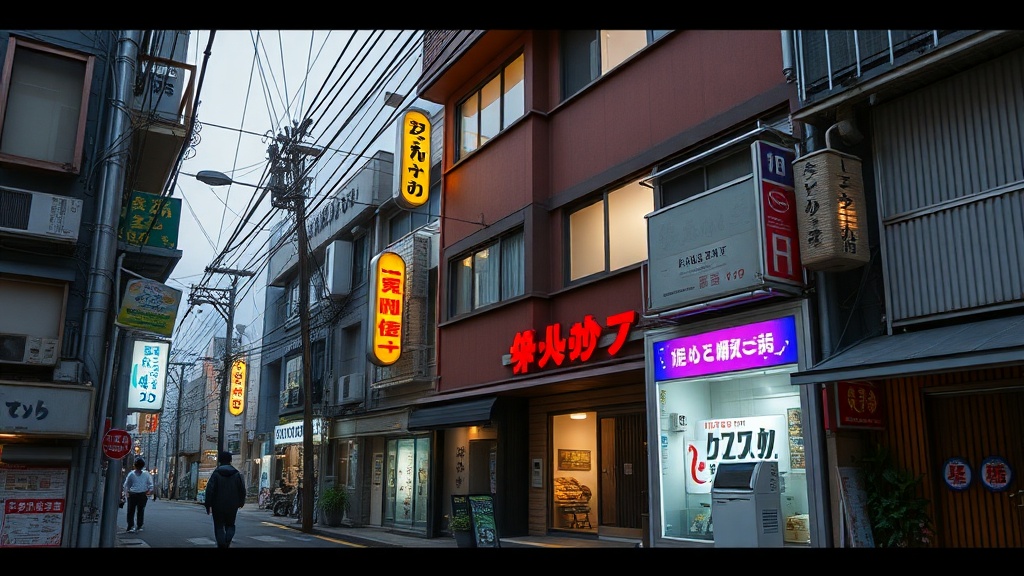
When you walk through a district like Ginza, the scale is grand and imposing. The buildings are designed to impress, with wide sidewalks and high-end storefronts. But move just three blocks away into the side streets, and the scale shrinks immediately. You'll find vending machines tucked into corners, tiny ramen shops that only seat six people, and narrow lanes that are barely wide enough for a car. This scale variation is a hallmark of Japanese urbanism.
Where Should You Stay for the Best Local Vibe?
Choosing a neighborhood depends entirely on the kind of energy you want to soak up. If you want high energy and constant movement, look toward Shinjuku or Shibuya. These areas are built for the long haul, with massive underground passages and vertical layers of activity. However, if you want to feel the pulse of a real neighborhood, look toward Shimokitazawa or Yanaka. These areas offer a slower pace and a more human-centric scale.
- Shibuya/Shinjuku: High density, massive crowds, and vertical architecture. Great for nightlife and seeing the scale of the city.
- Ginza: Sophisticated, wide streets, and high-end design. Perfect for observing luxury-driven urban planning.
- Yanaka: One of the few areas that retains an "old Tokyo" feel with much lower building heights and a slower pace.
- Akihabara: A specialized district where the architecture is driven by subculture and electronics, creating a very specific, high-sensory environment.
For those interested in the technical side of how these cities function, looking into the ArchDaily archives can provide incredible insight into Japanese structural engineering and modernism. The way they manage high-density living while maintaining safety and efficiency is something to see in person.
How Do You handle the Narrow Streets?
handling Tokyo's smaller streets requires a different mindset than walking through a European or American city. You can't rely on large-scale landmarks to find your way. Instead, look for small signs, colorful vending machines, or even the shape of a building's entrance. The street level is where the real information lives. In the residential districts, the "streets" are often just narrow paths that require you to walk single-file in certain spots.
Don't be afraid of the narrow lanes. Some of the best dining experiences in the city are tucked away in alleys that look like nothing more than a gap between two buildings. The "Yokocho" (alleyway) culture is central to the Tokyo experience. These alleys are often lined with small bars or eateries, creating a dense, social atmosphere that is completely different from the wide avenues of the main districts. It's a more intimate, social way of using urban space.
The way the city handles verticality is also vital to understand. In many parts of Tokyo, the "street level" isn't always the ground. Many buildings have multiple entrances at different elevations, connected by stairs or elevators. A cafe might be on the 4th floor of a building that looks like a simple warehouse from the street. Learning to look up and look down—not just straight ahead—will change how you see the city. It's a three-dimensional puzzle that you're constantly solving as you walk.
The Intersection of Modernity and Tradition
One of the most striking things you'll notice is how the city respects its history while racing toward the future. You might find a centuries-old shrine nestled between two massive steel and glass skyscrapers. This isn't an accident; it's a deliberate way of maintaining cultural identity within a rapidly evolving urban environment. It creates a sense of continuity that many other mega-cities lack.
This coexistence is visible in the way public spaces are managed. While the major plazas are built for massive crowds, the smaller, pocket-sized parks and shrine grounds provide much-needed breathing room. These small-scale interventions are what make the city livable. They offer a mental break from the sensory overload of the main thoroughfares. If you're interested in how culture shapes the physical environment, reading about Japanese urban history is a great starting point.
Ultimately, Tokyo is a city of layers. To truly see it, you have to be willing to move past the obvious landmarks and explore the gaps between them. The real magic happens in the transitions—the moments when a bright, loud intersection fades into a quiet, dimly lit residential street. That is where the true character of the city resides.