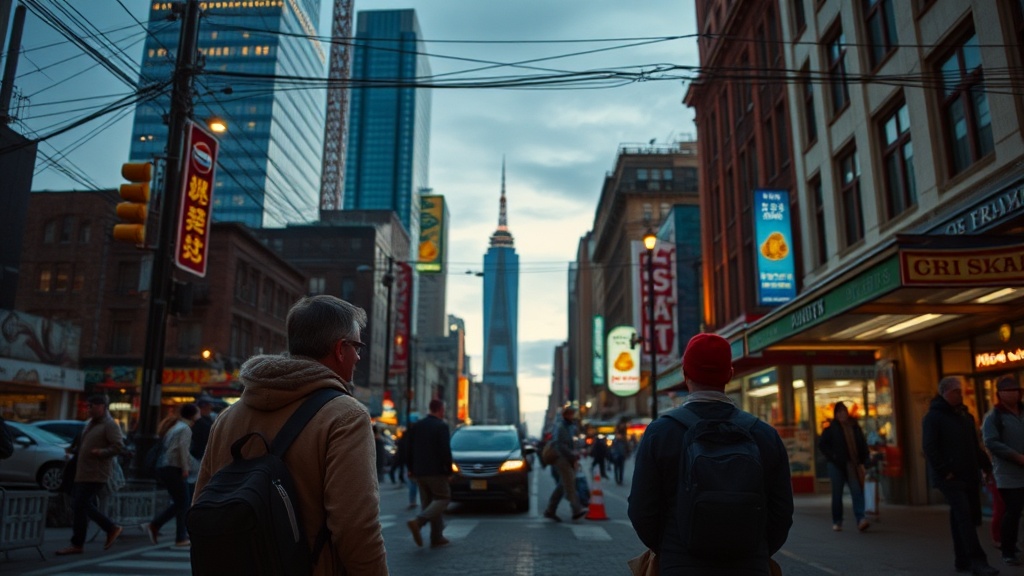
Unpacking the City's True Rhythm: A Slow Traveler's Manifesto

Ever feel like you need a vacation from your vacation when you return from a city break?
It’s a common paradox. We dream of exploring vibrant metropolises, soaking up culture, and trying new things, yet often find ourselves sprinting through itineraries, ticking off landmarks, and collapsing into bed each night, utterly exhausted. The fast pace of travel can leave us feeling disconnected, barely scratching the surface of a city's true personality. But what if there was another way to engage with urban environments—a more mindful approach that promises deeper connections and lasting memories? This post isn't about avoiding cities; it’s about experiencing them on their own terms, letting their unique rhythm guide your exploration. We’ll cover why embracing slow travel in a city isn't just a trend, but a transformative way to engage with the world.
What does "slow travel" really mean for urban explorers?
When you hear "slow travel," you might picture remote villages or long train journeys through pastoral landscapes. But applying this philosophy to bustling cities is where it gets really interesting. For urban explorers, slow travel isn't about being motionless; it’s about being mindful. It's a conscious decision to prioritize depth over breadth, connection over checklists, and immersion over observation. Instead of chasing every museum and monument, you might choose to spend an entire afternoon in a single neighborhood, sipping coffee, reading a book in a park, and simply watching life unfold.
Think of it this way: a typical tourist might race through the Louvre in two hours, snapping photos of the Mona Lisa before rushing to the Eiffel Tower. A slow traveler, however, might spend those same two hours intently studying a single wing of the museum, engaging with the art on a personal level, or maybe even sketching in a quiet gallery. It’s about cultivating an awareness of your surroundings—the subtle shifts in architecture, the scent of a local bakery, the cadence of conversations in an unfamiliar language. This approach helps you move beyond the curated tourist experience and into the messy, beautiful reality of daily urban life. It’s a chance to understand a city not just as a collection of sights, but as a living, breathing entity with its own pulse and personality.
How can you actually embrace slow travel in a bustling metropolis?
The idea of slowing down in a city that never sleeps can feel daunting, but it’s entirely achievable with a few intentional shifts in your approach. It begins before you even pack your bags.
- Choose a neighborhood, not just a hotel. Instead of bouncing between different parts of a city, pick one area that intrigues you and make it your home base for your entire stay. Get to know its streets, its shops, its local characters. You'll quickly discover a sense of belonging that's hard to find when you're constantly on the move.
- Walk, bike, or use public transit. Ditch the taxis and ride-shares whenever possible. Walking is perhaps the most powerful tool for slow travel. It allows you to notice details—a quirky storefront, a hidden alleyway, a vibrant street art mural—that you'd miss from a speeding car or a crowded tour bus. The health benefits are a nice bonus, too. According to research published on