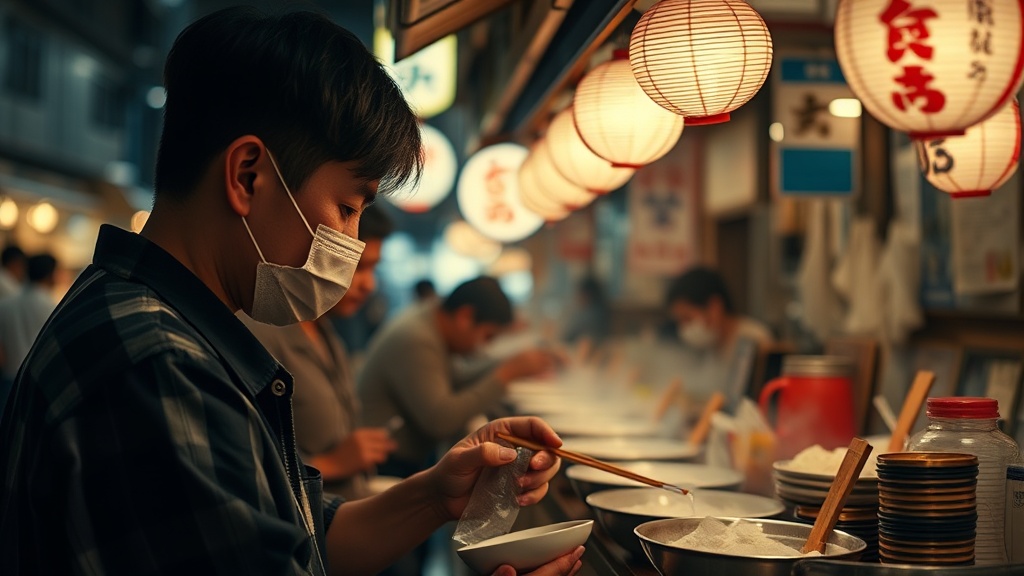
Chasing the Perfect Bowl in Fukuoka's Yatai Stalls

Steam rises from a heavy ceramic bowl, carrying the scent of charred pork and rich, salty broth into the cool night air. A single red lantern glows above a wooden counter, illuminating the narrow alleyways of Nakasu. This is the world of Fukuoka’s yatai—the mobile food stalls that define the identity of Kyushu's capital. If you want to understand the soul of this city, you don't go to a Michelin-starred dining room. You sit on a wooden stool, shoulder-to-shoulder with locals, and wait for a bowl of ramen.
Fukuoka is a city of street food, and the yatai experience is its heartbeat. These stalls aren't just quick bites; they are temporary, communal dining rooms that appear at dusk and vanish by dawn. This post breaks down exactly how to find the best stalls, what to order, and how to avoid the common mistakes travelers make when navigating these cramped, wonderful spaces.
What is a Yatai and How Does It Work?
A yatai is a mobile food stall that serves as a compact, single-purpose eatery. These small wooden carts are often moved by hand or via small trucks, setting up shop in specific districts like Nakasu or Tenjin once the sun goes down. They offer a limited menu—usually centered around ramen, oden, or yakitori—and provide an incredibly intimate dining experience.
The setup is simple. You walk up, find a spot (often a tight squeeze), and sit. There is no such thing as personal space here, but that’s part of the charm. You might find yourself sharing a conversation with the person next to you or the chef himself. It’s much more visceral than a standard restaurant.
Most yatai operate on a very strict schedule. They typically open around 6:00 PM or 7:00 PM and close by midnight. If you show up at 2:00 AM expecting a full menu, you’ll likely be disappointed. It's worth noting that some stalls are seasonal, appearing more frequently in the warmer months.
For a deeper look at how Japanese urban spaces are utilized, you can check the Wikipedia entry on Yatai to see the history of these structures. It’s a fascinating bit of sociology.
What Should You Order at a Fukuoka Yatai?
You should prioritize Hakata Ramen or Motsunabe if you want the most authentic local experience. While the menus vary wildly from stall to stall, certain staples appear almost everywhere because they are the pride of the region. The goal isn't to find a "fusion" dish; it's to find the most concentrated version of a traditional flavor.
Hakata Ramen is the undisputed king here. It features a creamy, milky tonkotsu (pork bone) broth that has been simmered for hours until it's almost gelatinous. The noodles are thin and straight, designed to soak up that heavy broth. If you're feeling adventurous, look for a stall that specializes in Motsunabe—a hearty hot pot featuring offal and cabbage. It’s much richer than your standard ramen and hits the spot on a chilly evening.
Here is a quick guide to the most common menu items you'll encounter:
- Tonkotsu Ramen: The signature creamy pork broth with thin noodles.
- Yakitori: Grilled chicken skewers, often seasoned with salt or a savory tare sauce.
- Oden: A warming stew of dashi, soy sauce, and mirin containing various ingredients like daikon radish and boiled eggs.
- Gyoza: Pan-fried dumplings that are perfect as a side dish with a cold beer.
- Temaki Sushi: Hand-pressed sushi, often a bit more casual and rustic than high-end sushi bars.
If you're planning a larger trip through Kyushu, you might want to look into building a practical food itinerary for other Japanese hubs to keep your momentum going. Food culture in Japan is highly regional, and Fukuoka’s approach is much more casual and "street-side" than Tokyo's.
How Much Does Eating at a Yatai Cost?
Expect to pay between 800 and 2,000 Japanese Yen per person for a standard meal and a drink. While prices vary depending on whether you're ordering a single bowl of ramen or a series of small plates, yatai are generally much more affordable than seated restaurants. It's a budget-friendly way to eat high-quality, specialized food.
A single bowl of ramen will usually run you around 800 to 1,200 Yen. If you add a side of gyoza and a glass of highball or beer, you'll likely land around 1,800 Yen. It’s a great way to eat well without breaking the bank, but don't expect to linger for hours. These are high-turnover spots.
| Item Type | Estimated Price (JPY) | Notes |
| Hakata Ramen | ¥800 - ¥1,200 | The quintessential meal. |
| Yakitori (per skewer) | ¥150 - ¥300 | Great for grazing. |
| Beer / Soft Drink | ¥400 - ¥600 | Standard pricing. |
| Full Meal + Drink | ¥1,500 - ¥2,500 | A satisfying night out. |
One thing to keep in mind: many yatai are cash-only. Even if you see people using mobile pay, I highly recommend carrying plenty of yen. It's a small, traditional setup, and relying on a credit card is a gamble that often ends in a polite but firm "no."
Where are the Best Yatai in Fukuoka?
The best areas to find yatai are Nakasu and Tenjin. Nakasu is the most famous district, particularly for the neon-lit, picturesque atmosphere that looks incredible in photos. It’s a bit more touristy and can get quite crowded, but the energy is undeniably electric. If you want the "classic" experience, go to Nakasu.
Tenjin, on the other hand, feels a bit more local. While there are still plenty of tourists, you'll find a higher concentration of salarymen and locals grabbing a quick bite after work. It's a slightly more relaxed environment, though still bustling. If you prefer a more authentic, less "spectacle" vibe, head toward the Tenjin side.
The choice depends on your mood. If you want the neon lights and the feeling of being in the center of a movie scene, Nakasu is your place. If you want to blend in with the locals and enjoy a slightly more subdued atmosphere, Tenjin is a better bet. Either way, you'll find incredible food.
Just remember to be mindful of the space. You'll be sitting on very narrow stools, and the counters are often quite small. It’s not the place for a long, drawn-out business meeting or a quiet, romantic candlelit dinner. It's a place for noise, steam, and the clinking of glasses.
If you're already in the region and looking for more urban exploration tips, you might find my guide on using public transit helpful for getting between these districts efficiently. The subway system in Fukuoka is excellent and will get you from the central shopping districts to the waterfront in minutes.
The beauty of the yatai is the lack of pretension. There is no pressure to perform or act a certain way. You show up, you eat, you enjoy the warmth, and you move on. It's one of the few places where the barrier between the chef and the customer is almost non-existent. That connection—the heat of the stove, the steam in your face, and the shared laughter of strangers—is exactly why people keep coming back to these tiny wooden stalls night after night.